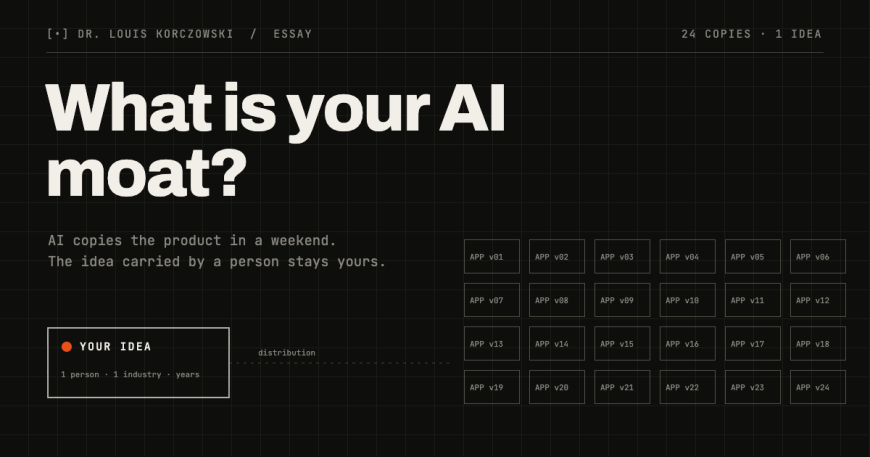
What Is Your AI Moat? Silicon Valley Says Distribution, and It Gets Harder Every Year
What is a moat when AI copies any product? Pieter Levels, Peter Thiel, a16z and Paul Graham point to distribution. Why it gets harder every year.
What is a moat when AI copies any product? Pieter Levels, Peter Thiel, a16z and Paul Graham point to distribution. Why it gets harder every year.
Do TikTok account farms work? A PhD in machine learning audits the 1,000-account playbook: what works, what breaks, what is legal and what founders keep.
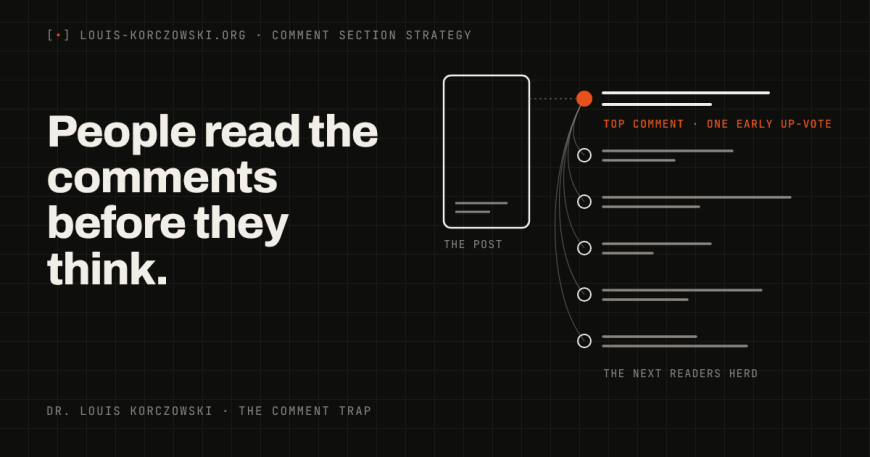
Comment section strategy for startups: what Russia’s comment armies get right and wrong, herding research, comment traps vs engagement bait, and a founder handbook.
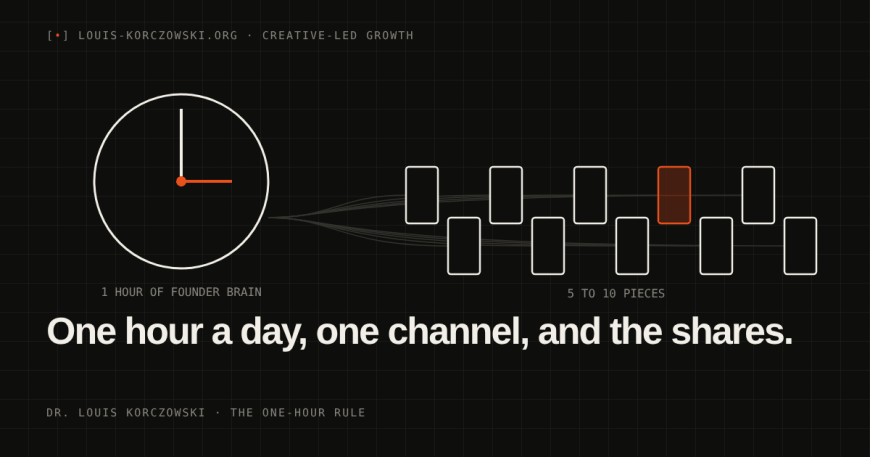
How founder-led startups make short-form content at scale without a content team: one primary channel, one hour a day, five to ten pieces, and shares read first.
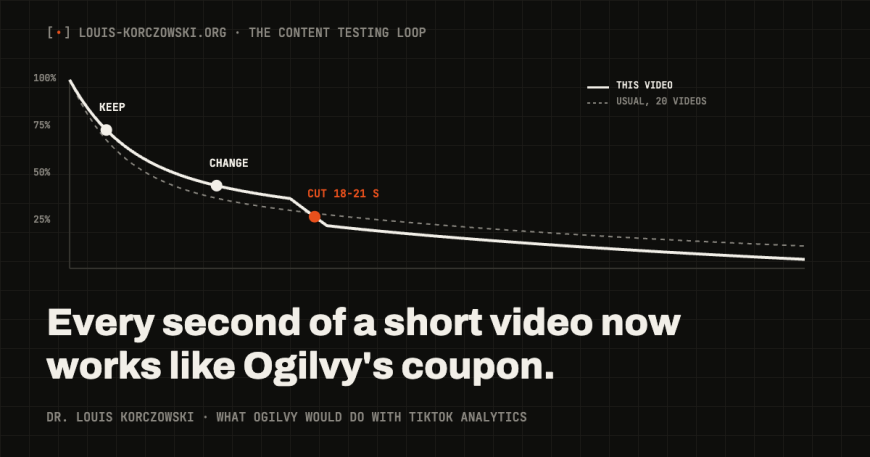
Hormozi spent $4M over 40 months on his content machine. How to run its short-form testing loop with AI, without fooling yourself, by a PhD in AI.
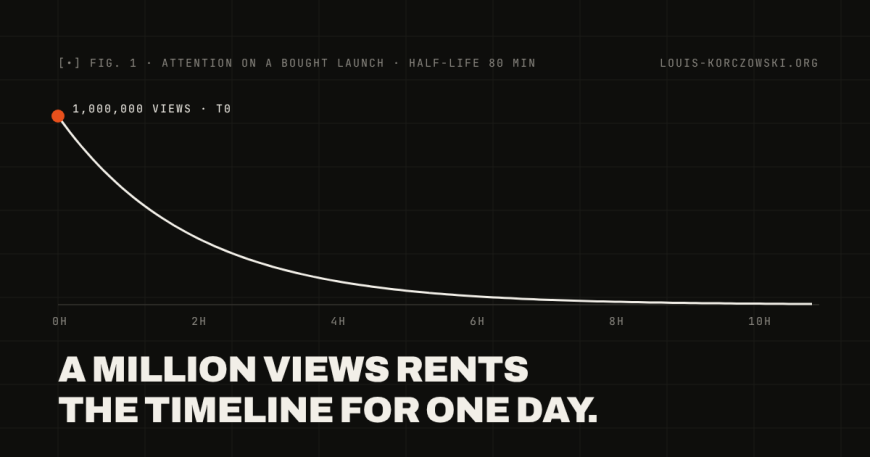
Startups now pay networks of accounts to make their launch go viral on X. What it costs, why it fades in a day, the rules, and what to build instead.
Paying UGC creators a share of ad spend beats agencies. But the model is linear. The founders who lead their creators will win.
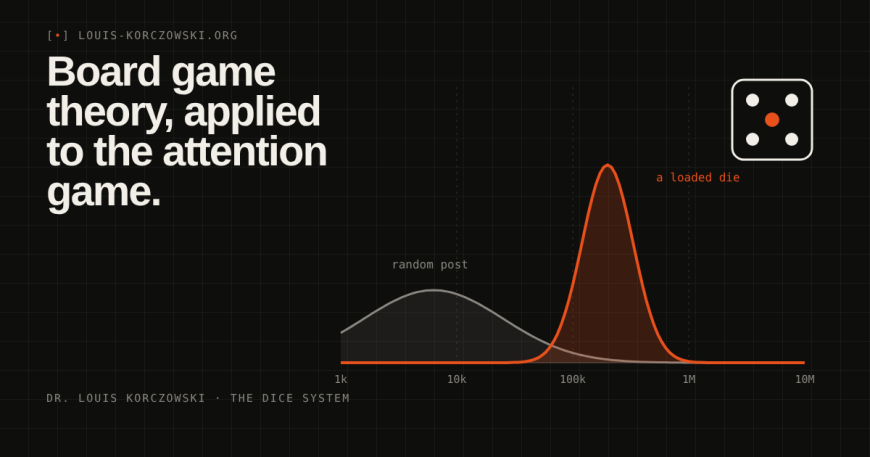
How a PhD in AI and a game festival president used board game theory and the slot machine math of TikTok to build a short-form content method.
OpenAI posted 722 AI math papers. Are the proofs correct, who will check them, and how do experts survive AI? A PhD in AI on verification and understanding.
Can an AI fall in love, and can you fall in love with one? A PhD in AI and neuroscience on the three systems of love, functional emotions in models, and the day OpenAI switched off a personality.